The face touching blog
What the research says about why our hands go to our faces, and what to do about it. Every number links to its study.
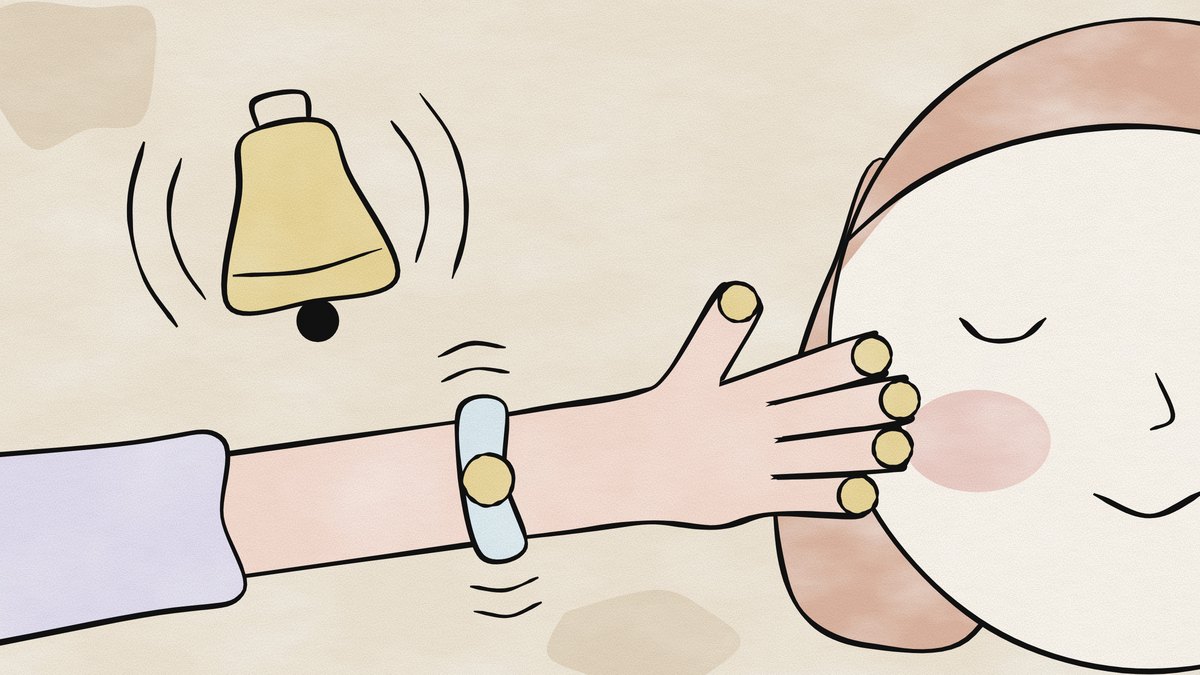
Can a reminder stop you touching your face?
Reminder evidence is mixed. A classroom message had no clear effect. In 8 adults, two vibrating bracelets lowered face touching and one did not.
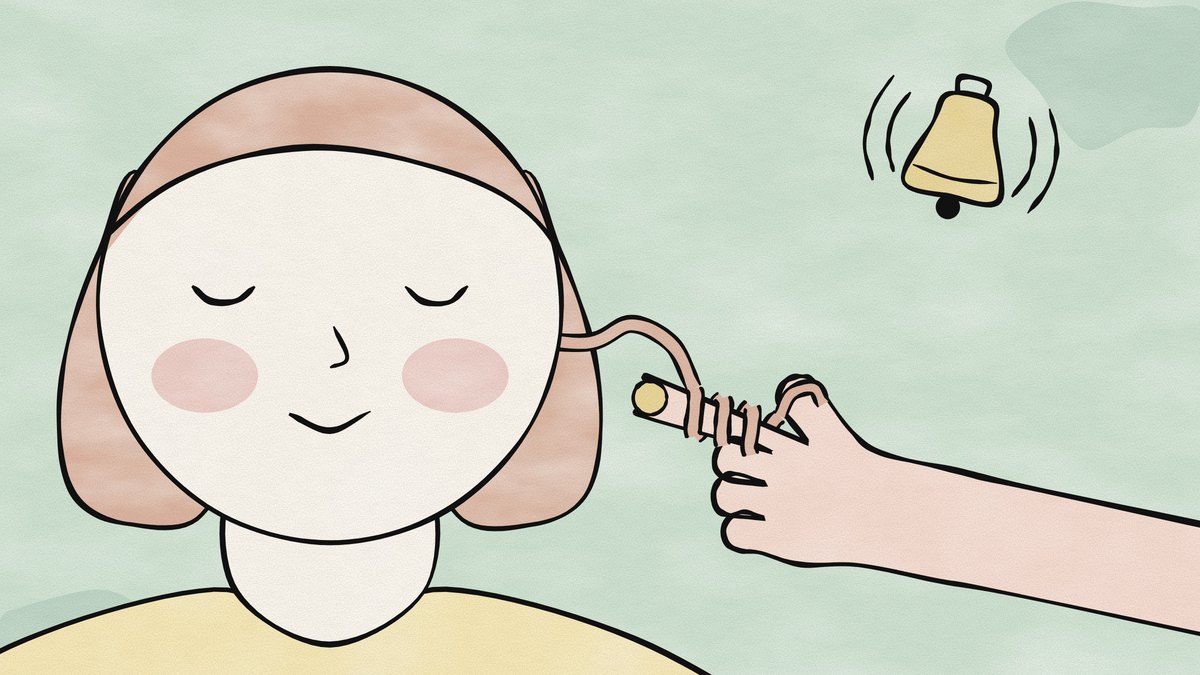
Hair twirling in adults: what we know about the habit
Very little. PubMed has 9 records for hair twirling, and only one is a study built around it, in one young child. Here is what that leaves.

How long does it take to break a habit?
We found no timing data for losing a habit. The 18 to 254 day range comes from people forming a new one, which is a different question.
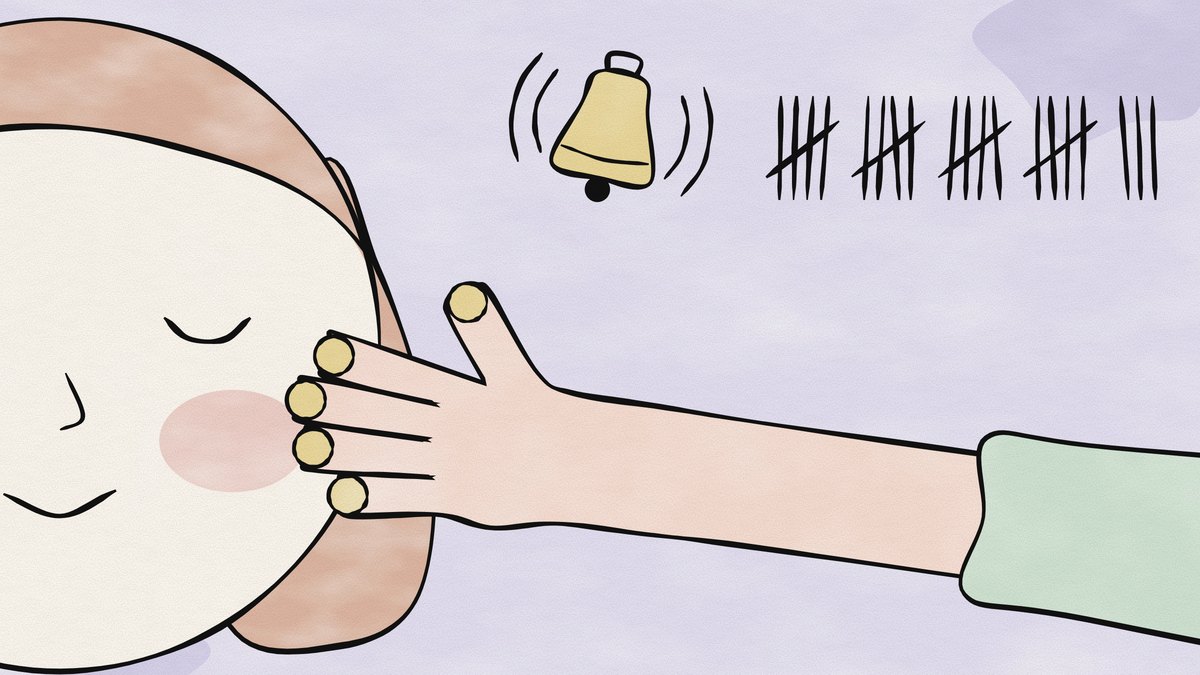
How often do people touch their face?
Two studies counted 10 and 23 face touches an hour. Here is who was watched, what was counted, and why your own number may be far from either.
How to stop biting your nails as an adult
What has been tested for adult nail biting, from a two-hour habit method to bitter polish, plus steps you can try today.
How to stop touching your face at work
We found no trial run in a real office, so these steps come from other settings. Each one says how much evidence stands behind it.
Why do I bite my nails?
Small lab studies point to boredom and frustration more than nerves. What the evidence says about why adults bite, and where it runs out.
Why do I touch my face so much?
Stress, hard thinking and plain habit all seem to pull hands to the face. What the studies found, and what they still can't explain.
Why do I touch my face when I talk?
The evidence is old and thin. A 1969 theory and a 1985 study of medical interviews point to effort and feeling, and we found nothing that settles it.
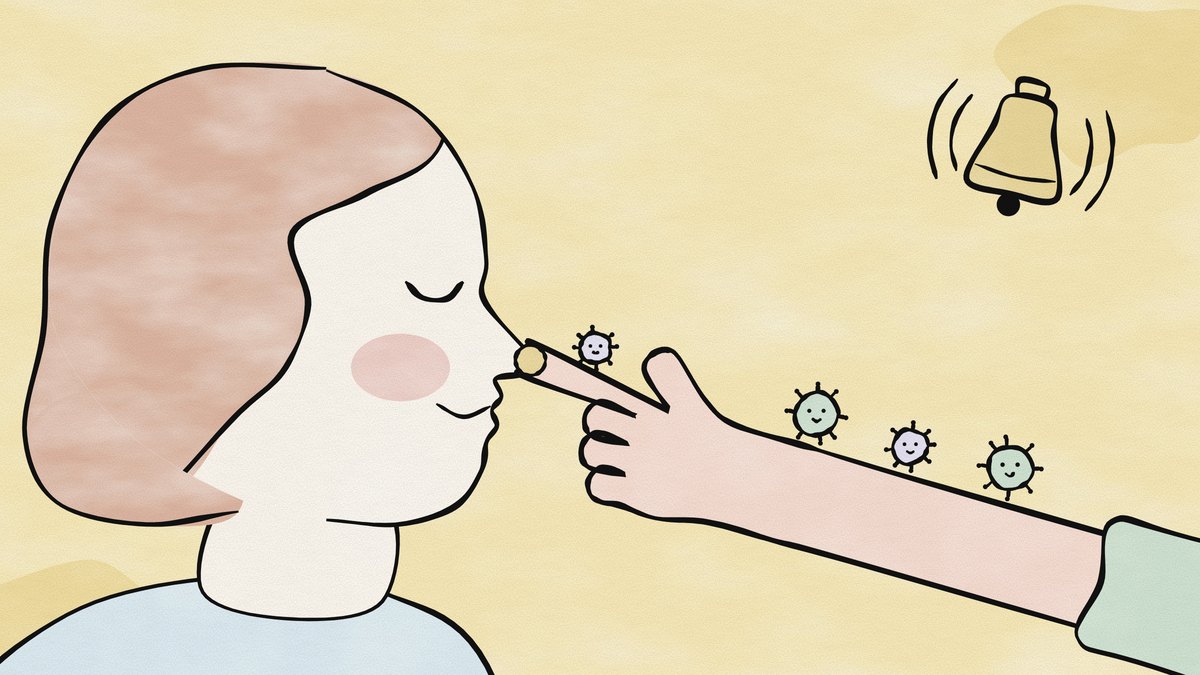
Why you shouldn't touch your face: what the research shows
Hands carry germs to the eyes, nose and mouth. Yet no trial we found shows that touching your face less means fewer infections. The honest picture.